
Views: 0 Author: BBA AUTOMATION Publish Time: 2026-04-17 Origin: BBA AUTOMATION


In today’s fast-paced electronics manufacturing environment, efficiency is not just a goal—it’s a requirement. The high speed screw locking system is designed to meet this demand by delivering rapid fastening cycles without compromising accuracy. With optimized motion control and streamlined workflows, the system significantly reduces assembly time across high-volume production lines.
Its ability to maintain stable performance under continuous operation makes it an ideal solution for manufacturers aiming to scale output while keeping processes under control.
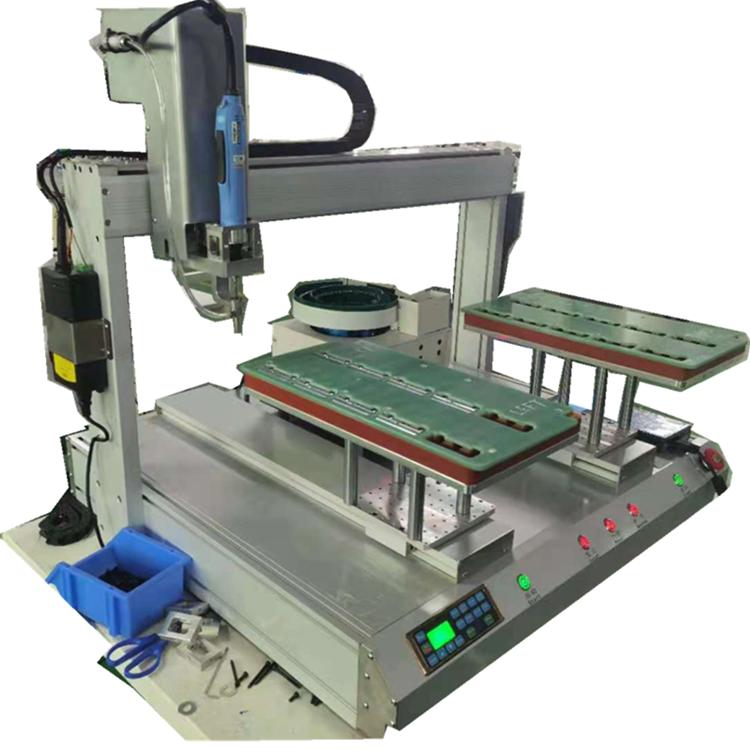
One of the most valuable features of this system is its integrated error detection capability. Unlike traditional equipment, which often identifies issues only after production, this system monitors each fastening process in real time. It can detect anomalies such as missing screws, incorrect torque application, or misalignment during operation.
By combining real-time monitoring with advanced sensors, the machine ensures that defects are identified immediately. This proactive approach helps prevent faulty products from moving further down the line, improving overall quality assurance.
| Product Identifier | Designed for industry use |
| screw locking automated | Electronics |
Despite its speed, the high speed screw locking system maintains exceptional accuracy through advanced torque control and positioning technologies. Each screw is tightened according to predefined parameters, ensuring uniform fastening across all units.
The inclusion of an automatic screw feeding system further enhances consistency by delivering screws accurately to the fastening point. This reduces variability caused by manual handling and supports stable, repeatable performance in demanding production environments.
By integrating industrial automation with intelligent control systems, this solution transforms traditional fastening processes into a highly efficient and reliable operation. The combination of speed, precision, and built-in error detection allows manufacturers to reduce defect rates and optimize productivity.
In electronics manufacturing, where both quality and output are critical, adopting such advanced systems ensures consistent results while meeting the growing demands of the market.


